If you’re considering hearing aids in Bendigo, start with a comprehensive hearing assessment and a conversation about where you want to hear better. The right choice depends on your hearing test results, the situations you find difficult, how comfortably the device fits and how easily you can use it day to day. Your preferences and budget also matter.
An audiogram shows the quietest sounds you can hear at different pitches in each ear. It helps your audiologist determine whether hearing aids may be appropriate and provides a starting point for programming them.
Two people with similar audiograms can have different listening priorities. One may want to follow the television more easily, while another may need help hearing colleagues in meetings or joining conversations at family gatherings. Tell your audiologist which situations matter most to you. Those examples help guide the choice of device and features.
Rechargeability is a feature available on some models across different styles. During your consultation, consider how easy each device is to insert, remove, charge and clean. If handling small devices is difficult, try using the hearing aid and its charger before deciding.
Smart Hearing Specialists is an independent hearing clinic with access to devices from multiple manufacturers. Your audiologist can compare suitable options based on your hearing, daily activities, preferences and budget. During your consultation, we explain the benefits, limitations and costs of the options you’re considering, including which fitting and follow-up services are included.
Your audiologist uses your hearing test results to set amplification targets for each ear. During real-ear verification, a thin probe tube measures the sound delivered in your ear canal while you wear the hearing aid. This helps your audiologist check how closely the device meets your targets and adjust the settings where needed.
At follow-up, tell your audiologist how the devices are working in the places that matter to you. For example, you might hear the television more clearly but still struggle at a crowded dinner table. That feedback helps guide fine-tuning and gives you a chance to discuss comfort, handling and maintenance.
Smart Hearing Specialists provides hearing assessments, hearing aid consultations, fitting, verification, fine-tuning and ongoing support. If you’re considering hearing aids, begin with an assessment and tell your audiologist what you want to hear more clearly. Those goals can help you compare devices and judge how well the fitting is working in daily life.
Start with a hearing assessment and think about which situations you most want to improve, whether that’s following conversations at work, hearing the television or joining in at family gatherings. Your audiologist can use your results and listening goals to help you compare hearing aid styles, features and costs. A verified fitting and follow-up appointments give you a way to check how the devices are working in everyday life and make adjustments where needed.
Book a hearing assessment with Smart Hearing Specialists in Bendigo to discuss which hearing options may suit you.
Yes, some adults with mild hearing loss benefit from hearing aids, particularly when hearing difficulties affect daily communication. Your audiologist can use your assessment results and the situations you find difficult to help you decide whether hearing aids are worth considering.
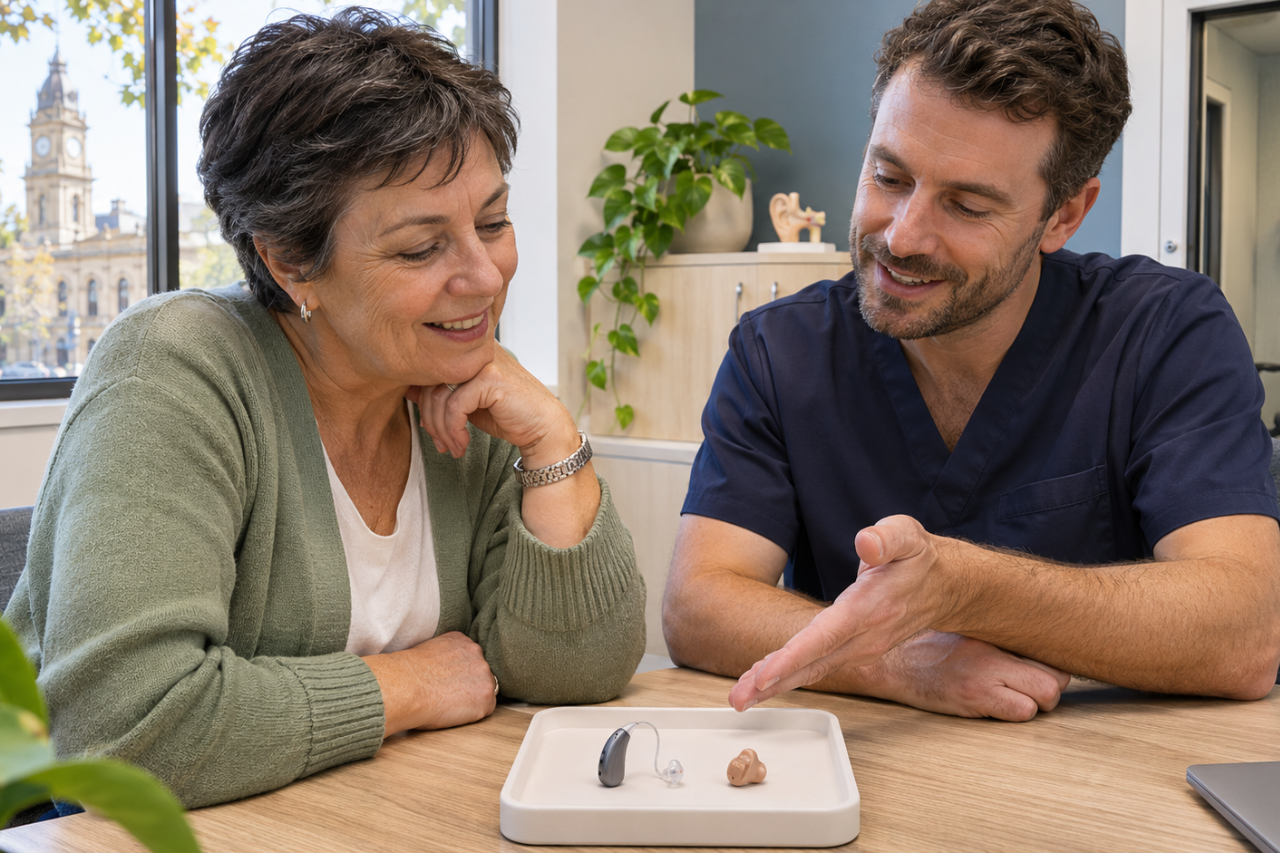
Suitability depends on your hearing loss, the shape and size of your ear canal, and how comfortably you can handle a small device. If you prefer a discreet fit, your audiologist can help you compare invisible-in-canal and receiver-in-canal options.
Real-ear measurements show how much sound a hearing aid delivers inside your ear canal. Your audiologist uses a thin probe tube to measure the sound while you wear the device, then checks it against the fitting targets based on your hearing test.
Ask whether the quote includes programming, real-ear verification, follow-up adjustments and warranty support. Check whether the hearing assessment is billed separately so you can compare the total cost of each option.
Contact your audiologist for a follow-up and describe when the problem happens. For example, discomfort after an hour of wear and difficulty following speech in a café give your audiologist different information about what to check, from the physical fit to the listening settings.