

Dizziness or vertigo
Unsteadiness or imbalance
Difficulty walking or maintaining balance
Blurred or unstable vision when moving your head
Nausea or motion sensitivity
Increased risk of falls
Vestibular testing is a series of non-invasive assessments used to evaluate how well yourinner-ear balance system and its connection with your eyes and brain are functioning.A comprehensive assessment can help identify whether balance symptoms may be related tothe inner ear (peripheral vestibular system) or other parts of the nervous system (centralcauses).Understanding the underlying cause can help your healthcare team determine the mostappropriate next steps, including further medical assessment, treatment or vestibularrehabilitation.
 Book Appointment
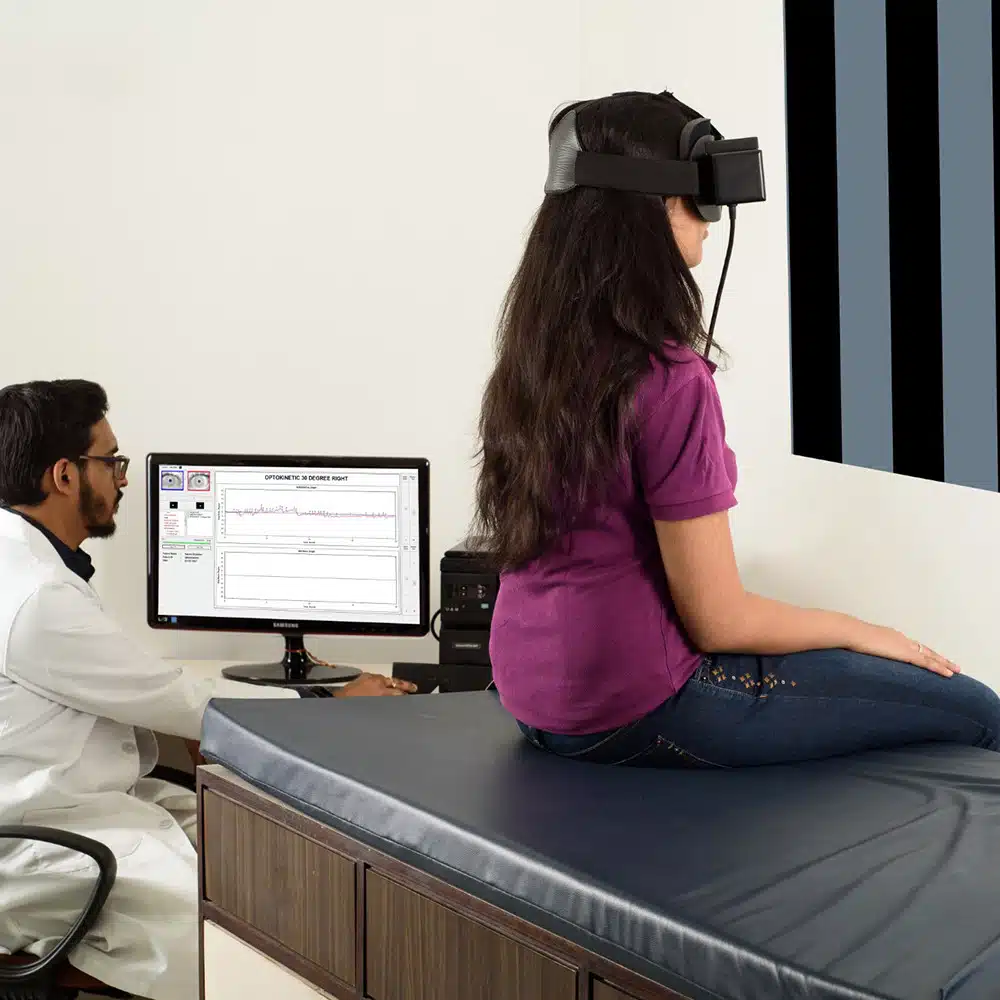
Assessment may include:

Spontaneous and gaze-evoked nystagmus
Oculomotor assessment
Optokinetic testing
Positional testing
Head-shaking testing
Other clinically indicated vestibular assessments
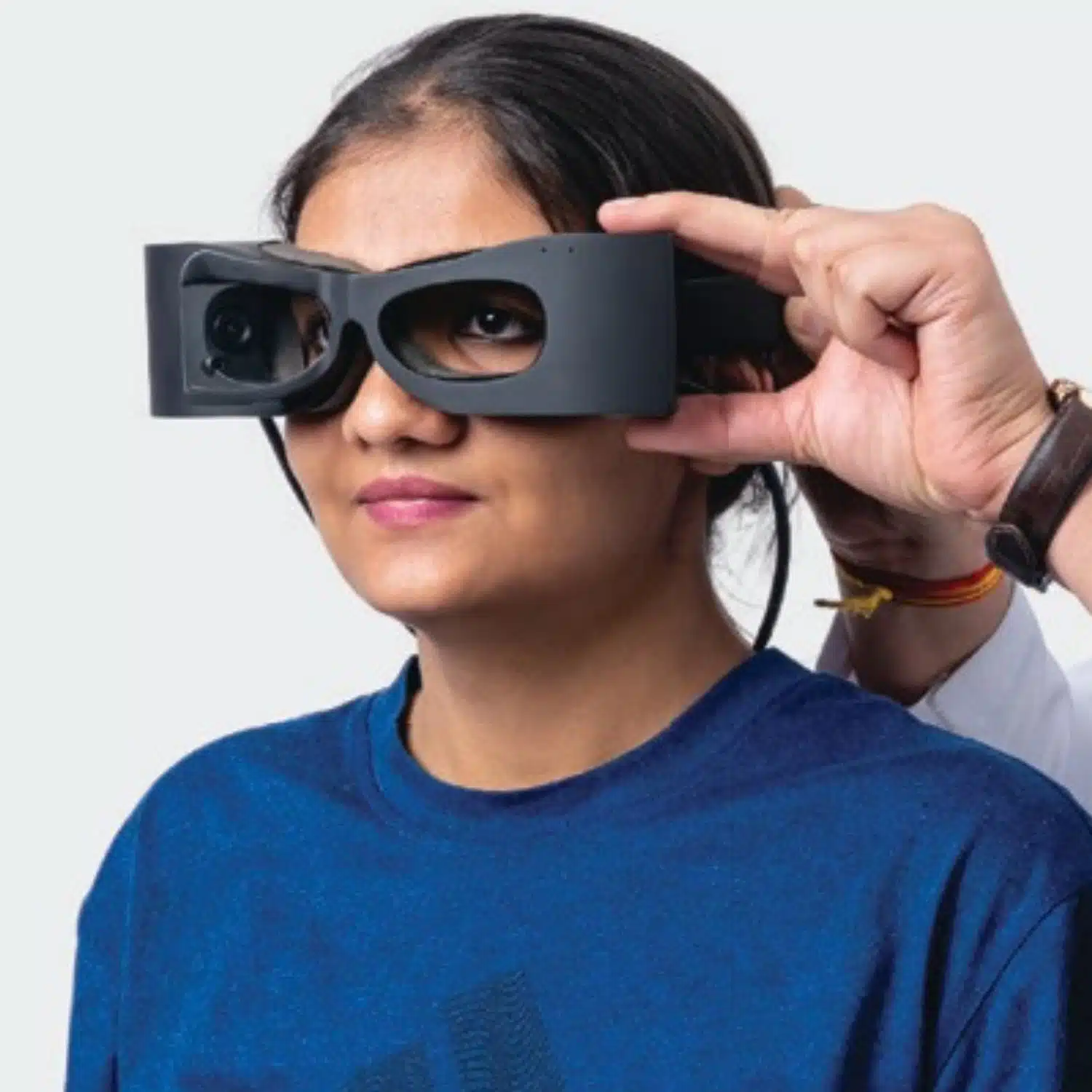
Key features include:
Quick and non-invasive assessment
High-speed eye tracking
Accurate measurement of head and eye movements
Assessment of all six semicircular canals
Objective results to support clinical diagnosis
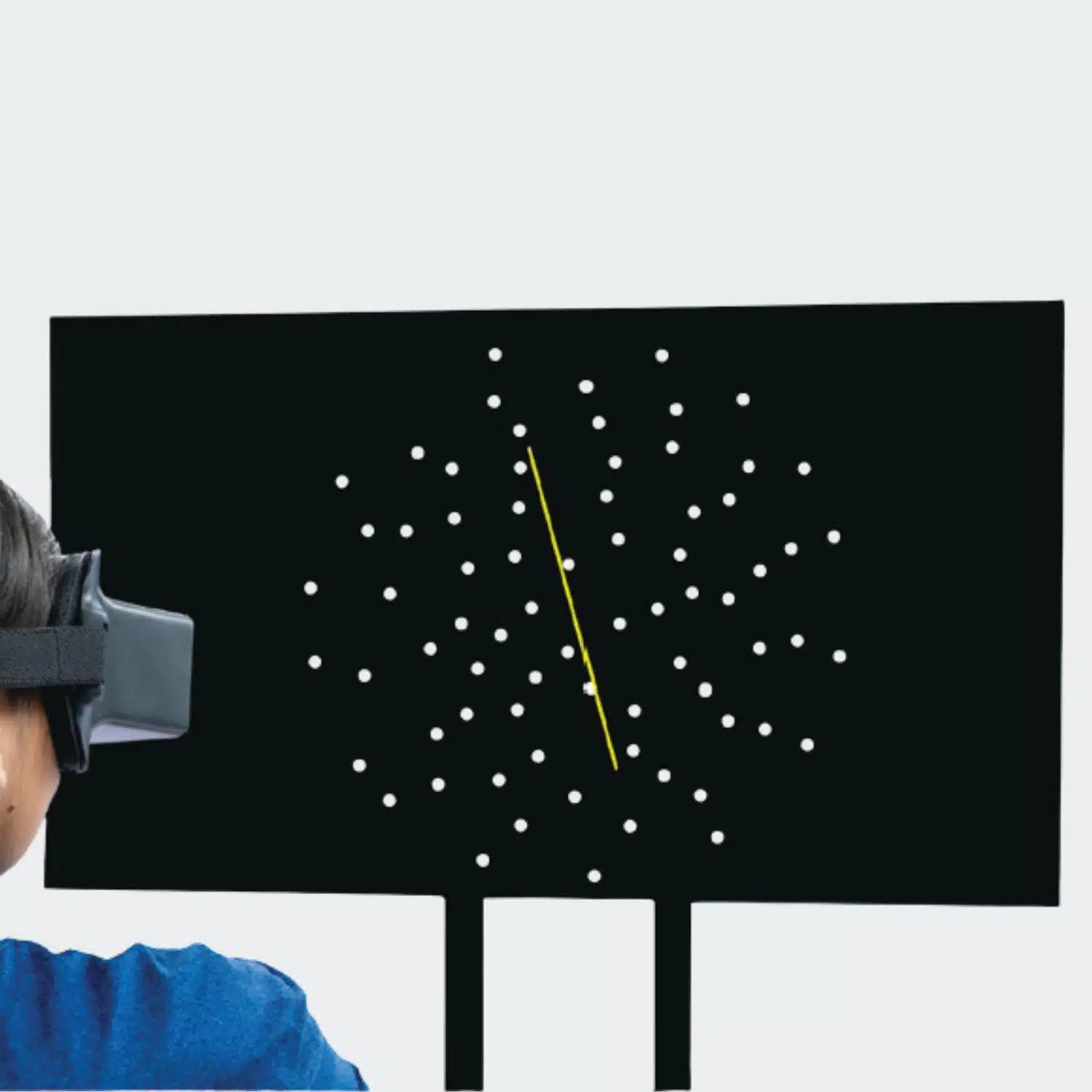
SVV can assist in:
Identifying abnormalities in the perception of verticality
Assessing certain otolith disorders
Investigating persistent or chronic dizziness
Supporting assessment of acute vestibular disorders
Monitoring vestibular compensation and rehabilitation
Dizziness and balance problems can affect your confidence, mobility and quality of life.Identifying the possible cause is an important first step towards appropriate care. If you are experiencing dizziness, vertigo or balance difficulties, talk to our team aboutwhether vestibular assessment may be appropriate for you

Dizziness and balance problems can have many possible causes, including:
Benign Paroxysmal Positional Vertigo (BPPV)
Vestibular neuritis or labyrinthitis
Ménière’s disease
Vestibular migraine
Head injury or concussion
Age-related changes in the vestibular system
Cervicogenic dizziness
Neurological conditions
Acoustic neuroma and other vestibular disorders
Medication-related effects
Other medical or systemic conditions
Persistent dizziness or vertigo
Frequent falls or unexplained imbalance
Post-concussion dizziness
Slurry Speech
Visual blurring when moving the head
Meniere’s disease, vestibular migraine or BPPV
Chronic fatigue or anxiety linked with dizziness
Ringing Sound in Ear