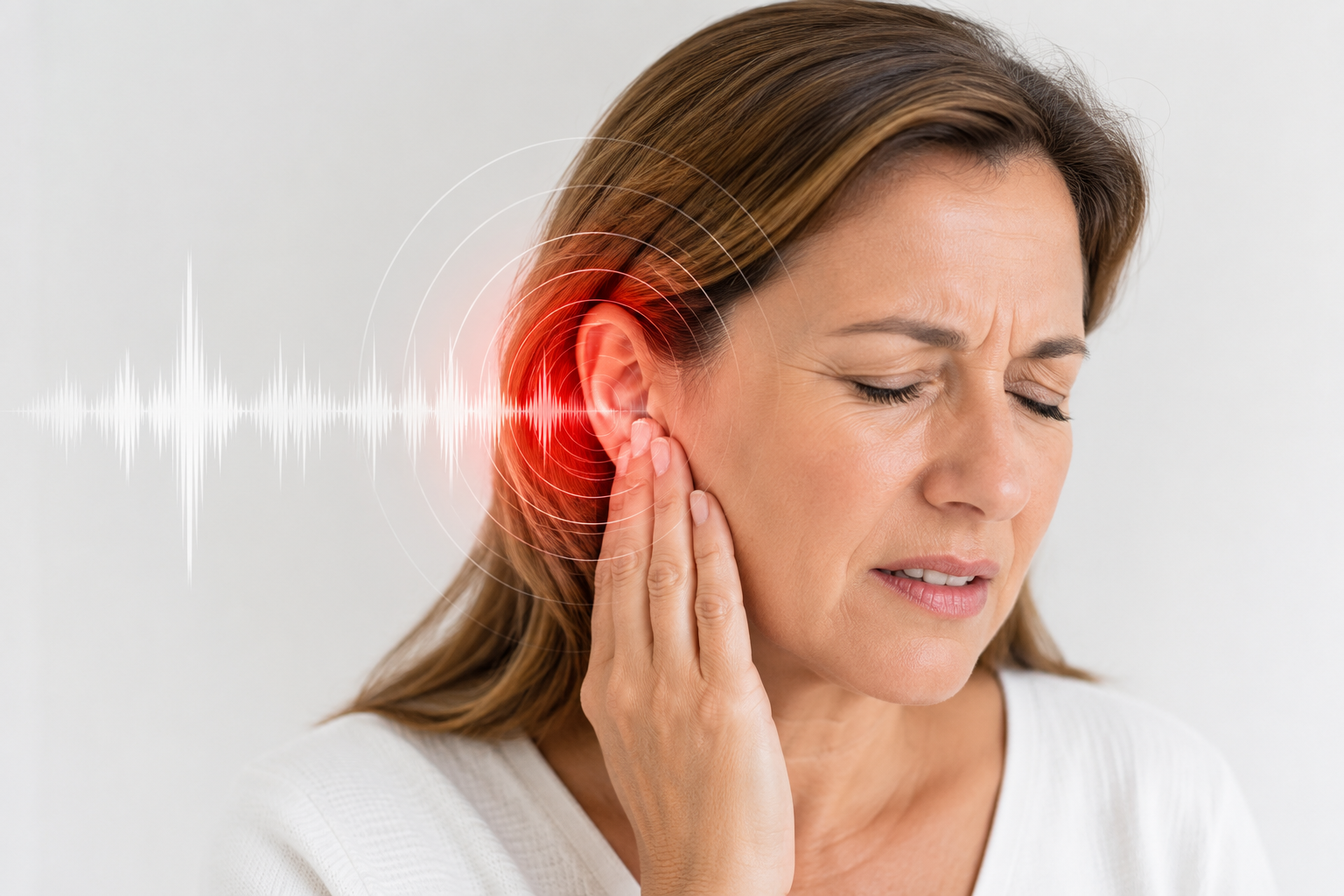
Do you hear a ringing, buzzing, hissing, humming, or whistling sound in your ears when there's no external noise? If so, you may be experiencing tinnitus.
Tinnitus isn't a disease itself—it's a symptom of an underlying hearing or ear-related condition. It affects millions of people worldwide and can vary from a mild inconvenience to a persistent condition that impacts sleep, concentration, and overall quality of life.
At Smart Hearing, we understand how frustrating tinnitus can be. Our experienced audiologists provide comprehensive hearing assessments and personalised treatment plans to help you manage your symptoms and improve your hearing health.
People experience tinnitus differently. Common sounds include:
The sound may be heard in one ear, both ears, or seem to come from inside the head. It can be constant or intermittent and may vary in intensity throughout the day.
Tinnitus has many possible causes, and identifying the underlying reason is the first step toward effective management.
One of the most common causes of tinnitus is age-related or noise-induced hearing loss. As the delicate hair cells in the inner ear become damaged, the brain may compensate by creating phantom sounds.
Impacted ear wax can block the ear canal and place pressure on the eardrum, leading to temporary tinnitus.
Professional Micro Suction Ear Wax Removal can safely remove impacted wax and may relieve symptoms in many cases.
Regular exposure to loud environments such as:
can permanently damage hearing and increase the risk of tinnitus.
Conditions such as:
may contribute to tinnitus symptoms.
Some medications may have tinnitus as a side effect, particularly when taken in high doses.
Always consult your healthcare provider before changing or stopping prescribed medication.
Stress doesn't necessarily cause tinnitus, but it often makes existing symptoms more noticeable.
Many people find their tinnitus becomes worse during periods of anxiety, fatigue, or emotional stress.
In addition to hearing unwanted sounds, people with tinnitus may experience:
If tinnitus persists for more than a few days or suddenly becomes severe, it's important to seek professional advice.
At Smart Hearing, our audiologists perform a thorough assessment to determine the possible cause of your tinnitus.
Your appointment may include:
A proper diagnosis helps ensure the most appropriate treatment plan for your individual needs.
While there isn't a universal cure for tinnitus, many people successfully manage their symptoms with professional care.
If hearing loss is contributing to your tinnitus, modern hearing aids can amplify external sounds, reducing the brain's focus on the ringing.
Gentle background sounds, nature sounds, or white noise can make tinnitus less noticeable, particularly during quiet moments or at bedtime.
If impacted ear wax is the cause, professional Micro Suction Ear Wax Removal may provide immediate relief.
Understanding tinnitus and learning coping strategies can significantly reduce the emotional impact of the condition.
Simple lifestyle adjustments may also help, including:
Book a hearing assessment if you:
Early assessment can help identify underlying causes and prevent further hearing complications.
At Smart Hearing, we combine advanced technology with personalised care to support your hearing health.
Our services include:
Our experienced audiologists work closely with you to understand your symptoms and recommend the most suitable management options.
Living with tinnitus can be challenging, but you don't have to manage it alone.
Whether you've recently noticed ringing in your ears or have been experiencing symptoms for years, the team at Smart Hearing is here to help.
Book your tinnitus assessment today and discover personalised solutions to improve your hearing and quality of life.
Not always. Some cases are temporary, while others can be effectively managed with professional hearing care and treatment.
Yes. Impacted ear wax can sometimes trigger ringing or buzzing. Safe removal by a qualified audiologist may relieve symptoms.
Yes. Many modern hearing aids include tinnitus management features and can reduce the perception of ringing by amplifying external sounds.
No. Persistent or sudden tinnitus should always be assessed, especially if it is accompanied by hearing loss, dizziness, or pain.