If you often ask people to repeat themselves, turn up the television or struggle to follow conversations in noisy places, it may be time to have your hearing checked. Hearing changes can develop gradually, so you might adapt without realising how much has changed. A hearing assessment can help you understand what you’re experiencing and whether you need further care.
Consider booking a hearing assessment if you regularly:
Family members may notice these changes before you do. If someone close to you mentions that you’re missing parts of conversations, that’s also a reason to get your hearing checked.
If your hearing drops suddenly in one or both ears, seek urgent medical care straight away. It can feel like a blocked ear.
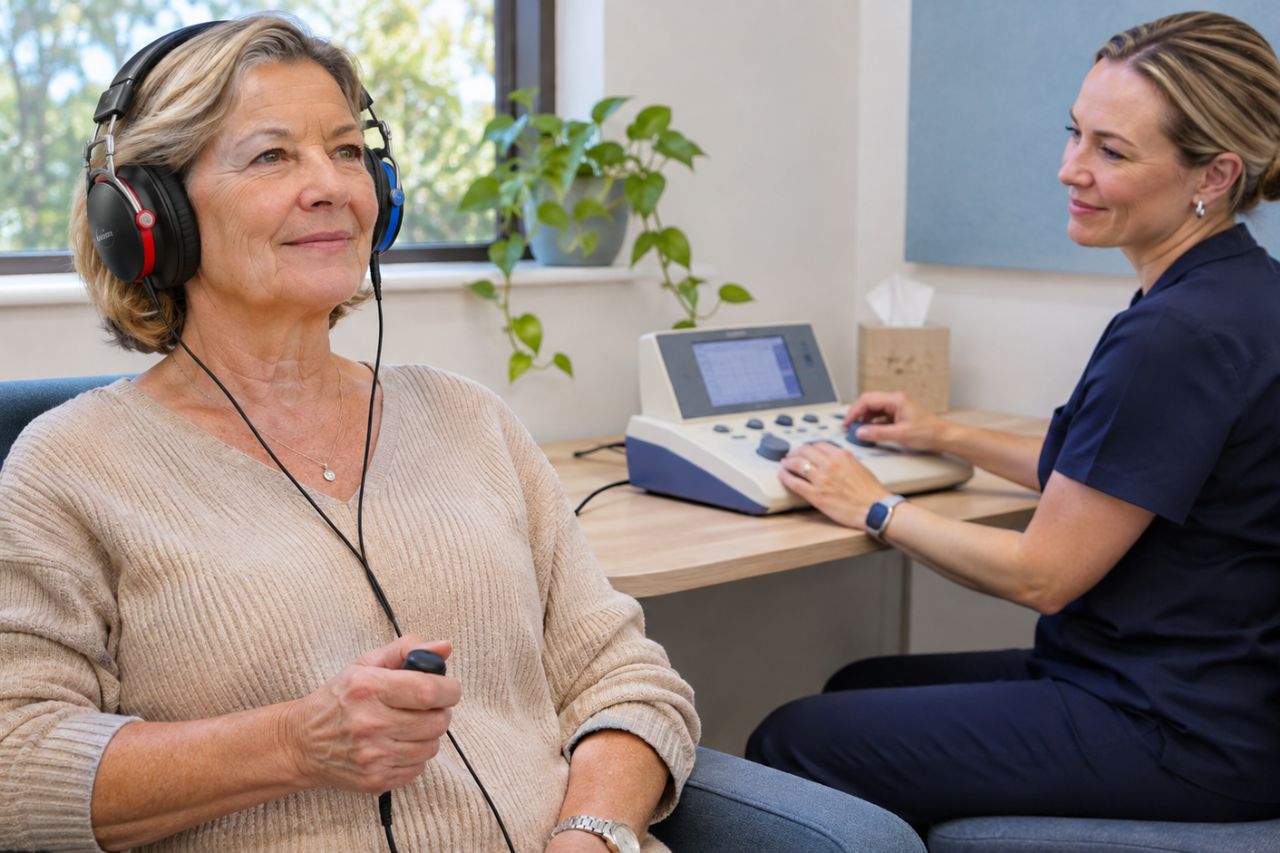
Your audiologist will ask about your hearing history and when you find it hardest to follow conversations. A comprehensive assessment may include:
Your audiologist may carry out additional tests depending on your symptoms and the initial findings. They’ll explain what the results mean for everyday listening and whether monitoring, medical review or hearing support may be appropriate.
A hearing test helps you and your audiologist decide what support, if any, would help. Depending on the results and your day-to-day needs, the next step may be monitoring your hearing, discussing ways to make conversations easier, or arranging a medical review. If hearing aids are an option, your audiologist can explain where they might help so you can make an informed decision.
Smart Hearing Specialists provides comprehensive hearing assessments and ongoing hearing care for adults in Bendigo and surrounding communities. If you’ve noticed a gradual change or are unsure about your hearing, an assessment at our Kennington clinic can help you understand your results and decide what to do next.
Book a hearing assessment with Smart Hearing Specialists
If conversations are becoming harder to follow, you’re turning up the television more often or one ear seems clearer than the other, it’s worth having your hearing checked. A comprehensive hearing assessment can help explain what has changed and whether monitoring, medical review or hearing support is appropriate.
Book a hearing assessment with Smart Hearing Specialists at Kennington Village Shopping Centre in Bendigo.
Yes. You may hear someone’s voice clearly enough to know they’re speaking but still miss words, especially in a busy restaurant or group conversation. If this happens regularly, a hearing assessment can help investigate why.
A hearing screening is a brief check to see whether you may need further testing. A comprehensive assessment gives a fuller picture of how each ear hears sounds at different pitches and may include an ear examination and speech testing.
The timing depends on your symptoms, hearing history and factors such as regular exposure to loud noise. If you notice a change, arrange an assessment. Your audiologist can use the results to suggest when a follow-up would be appropriate.
Yes. Arrange an assessment if you notice a gradual or persistent difference between your ears. If hearing drops suddenly in either ear, go to your local emergency department straight away.