Having your ears cleared can bring welcome relief. When the blocked feeling returns, it is understandable to wonder why and whether you could have prevented it.
Recurring ear wax build-up happens when wax does not move out of the ear canal effectively. Canal shape, hearing aids, earplugs, age-related changes and cleaning habits can all contribute. Repeated blockages do not necessarily mean your ears are dirty or that previous removal was unsuccessful.
The aim is to manage troublesome accumulation while allowing your ears to keep their natural protection.
Ear wax, also called cerumen, helps protect the ear canal by trapping dust and other particles. The ear normally clears wax through the gradual outward movement of canal skin, assisted by jaw movements.
A little wax near the ear opening is normal. Removal is generally considered when wax causes symptoms or prevents a necessary examination, not simply because wax is visible
Several factors can affect how easily wax leaves your ears.
Narrow, hairy or unusually shaped canals can make natural clearance more difficult. This helps explain why some people experience repeated blockages despite leaving their ears alone.
Cotton buds, fingers and other objects may move wax deeper rather than remove it. They can also irritate or injure the canal.
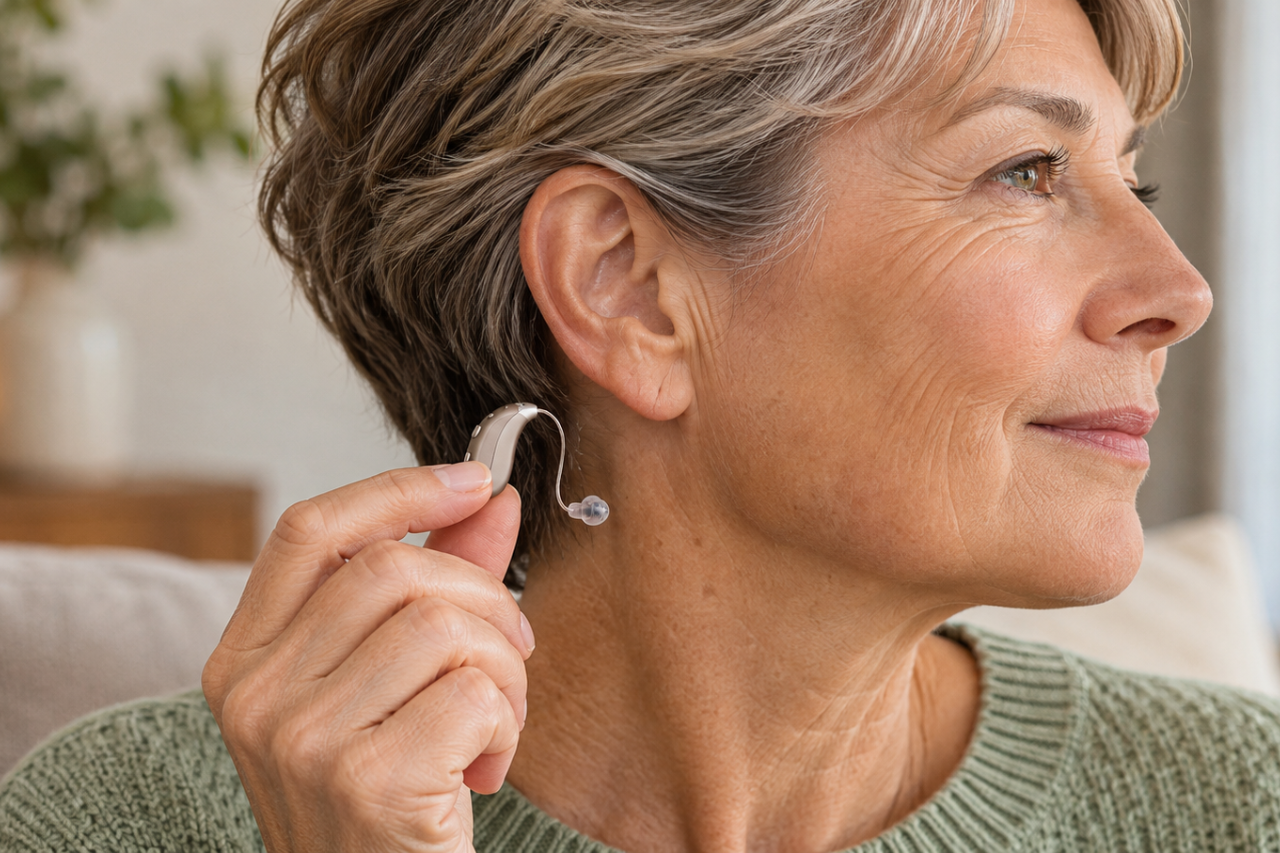
Devices worn inside the ear canal can interfere with wax moving out. This does not mean you should stop using hearing aids or necessary hearing protection. Instead, ask whether your ears would benefit from planned checks.
Some people naturally produce more wax. Older adults are also more likely to experience accumulation, as wax can become drier and harder to clear.
Wax returning later does not automatically mean the earlier treatment failed. Removal clears the existing blockage; it does not stop future wax production or change your canal anatomy.
However, symptoms that never improved deserve reassessment. A blocked sensation may have another explanation, or wax may still be present.
Tell your clinician whether your hearing fully recovered after treatment, how soon symptoms returned and whether one or both ears are affected. These details help distinguish a new blockage from an unresolved problem.
There is no universal schedule for ear wax removal. Some people rarely need treatment, while others may benefit from individual monitoring.
An ear check and a removal appointment are not necessarily the same thing. An examination may show that wax is present but does not need treatment.
If blockages recur, ask whether planned reviews would suit your history and which symptoms should prompt an earlier appointment. Avoid booking repeated removal solely because a fixed number of months has passed.
A practical routine starts with avoiding unnecessary interference inside the canal.
Do not use ear drops if you have a perforated eardrum. Seek individual advice before using them if you have had ear surgery, have pain or discharge, or are unsure about your ear health.
Hearing aid maintenance and ear canal care are separate tasks. Cleaning your device or changing its wax guard does not remove wax from your ear.
Follow the manufacturer’s care instructions. If sound becomes muffled, describe the change to your hearing-care provider rather than assuming the cause.
An ear examination can check for blockage. If the device also needs attention, hearing aid repairs and reprogramming may help identify and address a separate performance issue.
The clinician begins by examining your ears to establish whether wax is responsible for your symptoms. They should also ask about previous treatment, ear surgery, eardrum problems and products or devices you use.
If removal is appropriate, the method depends on the examination findings and your ear history. The appointment is also an opportunity to discuss preparation, care between visits and follow-up.
If hearing remains reduced after wax removal, further assessment may be needed.
Sudden hearing loss needs urgent medical assessment, even if your ear simply feels blocked. Go to your nearest emergency department rather than waiting for drops or a routine wax appointment.
Significant ear pain, discharge, fever, swelling or dizziness also needs medical advice. Do not assume these symptoms are caused by wax.
No. Wax production and clearance vary between people. Cleaning inside the ear more often can make accumulation worse by pushing wax deeper.
Yes. Microsuction removes existing wax but does not prevent future production. Later accumulation does not automatically indicate unsuccessful treatment.
Not always. Canal anatomy and natural wax production cannot simply be changed. Appropriate care and individual monitoring can help manage troublesome blockages.
Recurring ear wax build-up is best managed by understanding your pattern of symptoms and checking whether wax is responsible each time.
Smart Hearing Specialists provides ear wax removal and can discuss suitable care following an examination. If blockages keep returning, contact the Kennington clinic in Bendigo to arrange an appointment and discuss your previous ear care.
Disclaimer: This article shares general information about ear health. For advice suited to your ears and symptoms, please speak with a qualified healthcare professional.